In today’s digital world, social media is a must for any business. It’s where your customers hang out, connect, and discover new products or services. But simply being on social media isn’t enough—you need a strategy. A well-thought-out plan can help your business grow, increase brand awareness, and engage with customers effectively. Here’s a guide from The SMM Hub, a top social media agency in Mumbai, on how to create a winning social media strategy for your business.
Understanding Social Media Strategy Importance
So, why is a social media strategy important? Without one, you’re just posting aimlessly. A strategy ensures that every post, story, or video aligns with your business goals. It helps you focus your efforts, reach the right audience, and deliver content that resonates. As a digital marketing agency in Mumbai, we always emphasize having a clear strategy so that your social media efforts yield real results, like higher engagement and increased sales.
Define Your Business Goals and Objectives
The first step in building your social media strategy is knowing what you want to achieve. Are you looking to boost brand awareness? Drive traffic to your website? Generate more leads or increase sales? Defining clear goals will help guide your social media activities. For example, if your goal is to drive website traffic, your posts should include strong calls to action and links to your site. Setting SMART goals—specific, measurable, achievable, relevant, and time-bound—can make your objectives more actionable and easier to track.
Identify Your Target Audience Effectively
Once you’ve set your goals, it’s time to figure out who you’re talking to. Knowing your target audience is crucial for creating content that speaks to their needs. Start by identifying their demographics, such as age, gender, location, and interests. You can use tools like Google Analytics or social media insights to understand who is already engaging with your brand. This will help you create tailored content that attracts the right people and encourages them to take action.
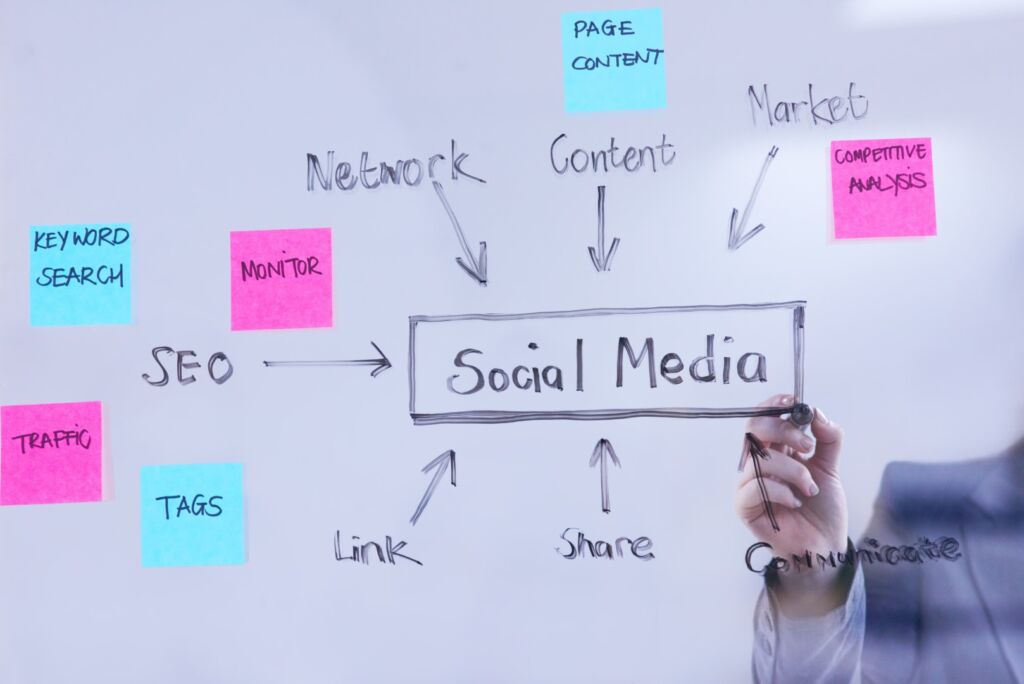
Choose the Right Social Media Platforms
Not all social media platforms are created equal, and your target audience won’t be on all of them. That’s why choosing the right platforms is key. For example, if your audience is mostly professionals, LinkedIn may be your best bet. If you’re targeting younger people with visual content, Instagram or TikTok might work better. The SMM Hub, a social media marketing expert, advises businesses to focus on 2-3 platforms where their audience is most active, rather than trying to be everywhere at once.
Develop Engaging Content for Your Audience
Now that you know who your audience is and where they hang out, it’s time to create content that grabs their attention. Your content should align with both your brand and the interests of your audience. This can include educational posts, behind-the-scenes videos, entertaining stories, or product highlights. Engaging content isn’t just about selling—it’s about creating a connection with your audience. Use a mix of formats, such as images, videos, polls, and infographics, to keep things fresh and exciting.
Create a Posting Schedule and Consistency
Consistency is key to building a strong presence on social media. You don’t need to post every day, but you do need to be consistent. Create a content calendar to plan out what you’ll post and when. This helps keep your content organized and ensures that you’re posting regularly. Whether you post three times a week or daily, stick to a schedule that works for you and your audience. Using social media management tools like Buffer or Hootsuite can help automate your posts, saving you time and effort.
Analyze and Measure Performance Regularly
To know if your strategy is working, you need to track your performance. Use the built-in analytics tools on platforms like Instagram, Facebook, and LinkedIn to see how your posts are performing. Key metrics to watch include engagement rates (likes, comments, shares), follower growth, and website traffic from social media. As a digital marketing agency in Mumbai, The SMM Hub emphasizes the importance of analyzing your social media metrics regularly to see what’s working and what needs adjustment.
Adjust Strategies Based on Insights Gained
Social media isn’t static. Trends change, and so do the preferences of your audience. Regularly reviewing your analytics will provide insights into which content resonates most with your audience and which platforms are driving the best results. If you see that video content performs better than images, create more videos! If your engagement rates dip, experiment with different types of content. Being flexible and adjusting your strategy based on data is critical to long-term success.
Foster Engagement and Build Community Online
Social media is a two-way street. It’s not just about posting content—it’s about building a community. Engage with your followers by responding to comments, answering questions, and encouraging conversations. You can also run polls, host giveaways, or create challenges to boost engagement. Building a loyal community takes time, but it’s worth the effort. A strong online community can turn followers into brand advocates who will support your business and spread the word about your products or services.
Conclusion: Building a Sustainable Social Media Presence
Creating a winning social media strategy is about setting clear goals, knowing your audience, and consistently delivering engaging content. By regularly analyzing your performance and adjusting your tactics, you’ll be able to maintain a strong and sustainable social media presence. At The SMM Hub, we specialize in helping businesses grow their social media channels through thoughtful strategy and expert execution.
Ready to level up your social media game? Reach out to The SMM Hub, the trusted social media agency in Mumbai, and let’s create a social media strategy that delivers real results for your business!
In the world of digital marketing, two terms often pop up when talking about improving your website’s visibility—on-page SEO and off-page SEO. But what do they mean? And why are they so important for your website’s success? If you’re new to SEO or just starting to explore ways to grow your business online, don’t worry—we’re breaking it all down for you in simple terms!
At The SMM Hub, a leading SEO agency in Mumbai, we believe that understanding the basics of SEO is the first step toward building a successful online presence. Let’s explore the key differences between on-page and off-page SEO, and why both are critical for your business.

What is SEO?
SEO, or Search Engine Optimization, is the process of improving your website so it ranks higher on search engines like Google. The better your SEO, the more likely potential customers are to find your business when they search for products or services you offer.
What is On-Page SEO?
On-page SEO refers to the optimization of elements on your website that affect search engine rankings. Think of it as what you control directly on your site to make it more search-engine-friendly.

Here’s a simple breakdown of the most important on-page SEO elements:
- Keywords: These are the words and phrases that people type into search engines to find what they’re looking for. For example, if someone searches for “SEO agency in Mumbai,” you’d want your website to include those exact words.
- Content: Quality content is key. Search engines love content that is helpful, informative, and answers users’ questions. This could be blogs, service pages, product descriptions, etc.
- Title Tags: This is the title of your webpage that shows up in search engine results. It should be catchy and include relevant keywords (like “SEO agency in Mumbai”).
- Meta Descriptions: These are the short descriptions that appear below the title in search results. A well-written meta description can entice people to click on your link.
- Internal Linking: Linking to other pages on your website helps users navigate easily and also allows search engines to understand the structure of your site.
- Page Speed: A fast-loading website improves user experience and can help you rank higher on Google.
- Mobile-Friendliness: With so many people browsing on mobile phones, making sure your site works well on smaller screens is essential.
What is Off-Page SEO?
Off-page SEO, on the other hand, refers to actions taken outside of your website that affect its rankings on search engines. These activities help build the reputation and authority of your website, signaling to Google that your site is trustworthy and worth ranking higher.

Key off-page SEO elements include:
- Backlinks: When other websites link to yours, it’s like a vote of confidence. The more high-quality websites that link back to you, the better it is for your rankings.
- Social Media Engagement: While not a direct ranking factor, being active on social media can drive traffic to your website and build your online presence.
- Guest Blogging: Writing blogs for other websites in exchange for backlinks to your own site is a great way to boost your off-page SEO.
- Influencer Outreach: Getting industry influencers to mention or link to your website can significantly improve your off-page SEO.
- Local SEO (Citations & Reviews): If you’re a local business, having your company listed on platforms like Google My Business, Yelp, or other local directories helps improve your visibility.
Why Do Both On-Page and Off-Page SEO Matter?
Imagine SEO as a puzzle. On-page SEO is one side of the puzzle where you can shape and optimize your website to please search engines. Off-page SEO is the other side, where you build trust, authority, and relevance beyond your website. You need both to complete the picture!
Here’s why both matter:
– On-page SEO ensures your website is structured well and contains relevant information that users and search engines need. Without it, you might not rank well even if you have a lot of backlinks.
– Off-page SEO helps build credibility and authority, which is crucial in convincing search engines that your website is worth ranking. Without off-page SEO, your website may not seem trustworthy, even if it’s well-optimized internally.
In short, if on-page SEO is about creating a user-friendly, informative website, off-page SEO is about convincing others (and Google) that your site is valuable.
How Can The SMM Hub Help You?
As a top-rated SEO agency in Mumbai, The SMM Hub specializes in both on-page and off-page SEO strategies tailored to help businesses like yours succeed online. Whether you need to optimize your website’s content, boost your rankings with quality backlinks, or enhance your social media presence, we’ve got you covered.
With a comprehensive approach to SEO, we ensure your business gets the visibility, traffic, and leads it deserves. Our team of experts keeps up with the latest SEO trends to make sure your website stays ahead of the competition.
Conclusion
Both on-page and off-page SEO are essential for improving your website’s visibility on search engines. On-page SEO helps you optimize your website’s structure and content, while off-page SEO builds authority and trust for your site. To achieve success in the competitive online space, it’s important to balance both.
Need help boosting your SEO strategy? Get in touch with The SMM Hub, your go-to SEO agency in Mumbai, and let us take your website to new heights!
If you’re looking to grow your business online, paid advertising is a game-changer. But with so many options available, how do you decide where to invest your budget? The two biggest players in the digital advertising world are Google Ads and Facebook Ads. Each has its strengths, and choosing the right platform depends on your goals, audience, and industry. As a Top Digital Marketing Agency in Mumbai, we’ve worked with businesses across various sectors and know that the right choice isn’t always straightforward. Let’s break it down.
Google Ads: Intent-Driven Advertising
Google Ads is perfect for businesses that want to capture high-intent users—people actively searching for products or services like yours. A Performance Marketing Agency can help optimize your campaigns to reach these users effectively. When someone types a query into Google, they’re usually looking for a solution right now. That’s where Google Ads come in.
Pros of Google Ads:
- High Intent: Users searching on Google are often ready to buy.
- Wide Reach: Google processes billions of searches daily.
- Variety of Ad Formats: You can run search ads, display ads, shopping ads, and even YouTube ads.
- Advanced Targeting: Keywords, demographics, location, and device targeting help refine your audience.
Cons of Google Ads:
- Higher Cost: Competitive keywords can be expensive.
- Learning Curve: Requires careful keyword selection and optimization.
Facebook Ads: Interest-Driven Advertising
Unlike Google Ads, which target users based on search intent, Facebook Ads work by capturing users’ interests and behaviors. This platform is great for brand awareness and engagement, especially if your product or service isn’t something people are actively searching for but could be interested in.
Pros of Facebook Ads:
- Highly Targeted: You can reach users based on demographics, interests, and behaviors.
- Visual Appeal: Video and image-based ads tend to be more engaging.
- Lower Cost: Generally cheaper than Google Ads.
- Great for Brand Awareness: Helps businesses that need to build an audience.
Cons of Facebook Ads:
- Lower Purchase Intent: Users aren’t necessarily looking to buy immediately.
- Ad Fatigue: If your audience sees the same ad repeatedly, they might ignore it.
Which One Should You Choose?
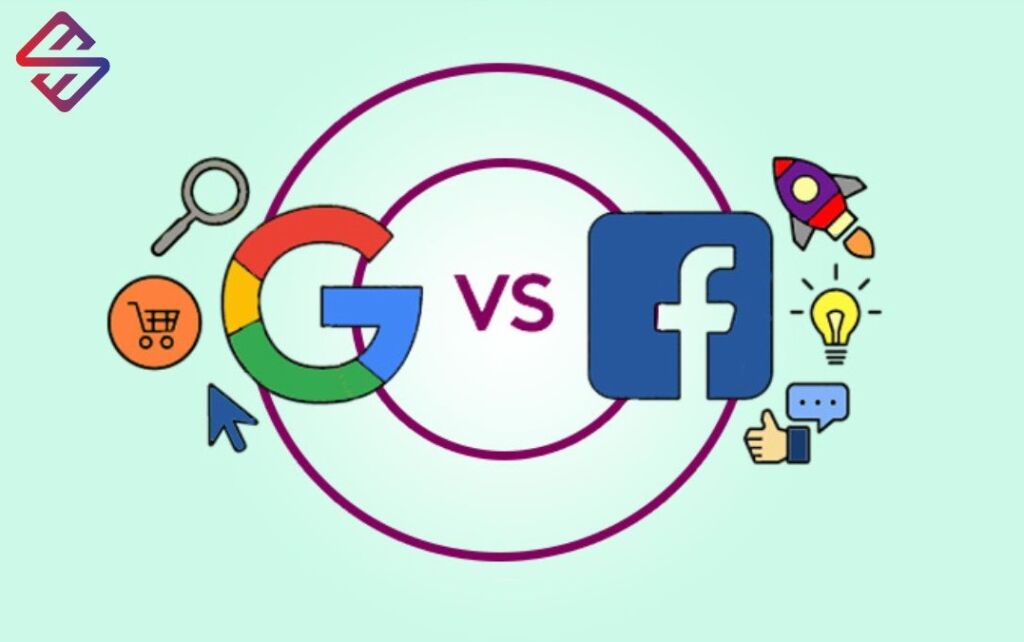
The answer depends on your business goals:
- If you need immediate sales from people actively searching for your products/services, Google Ads is your best bet.
- If you want to build brand awareness, nurture potential customers, and create engaging content, Facebook Ads will work better.
- For the best results, a mix of both can maximize your reach and conversions.
Final Thoughts
Choosing between Google Ads and Facebook Ads doesn’t have to be an either-or decision. The best approach is to test both and see what works for your business. If you’re unsure where to start, partnering with experts can save you time and money. The SMM HUB specializes in helping businesses navigate digital advertising and find the right strategy for success. Let’s grow your brand together!
In today’s fast-paced digital world, mobile devices have taken over our online experiences. Whether it’s shopping, reading news, or browsing social media, most users prefer doing it on their smartphones. For businesses, this means one thing—if your website isn’t optimized for mobile, you’re missing out on a huge chunk of potential customers. And if you’re looking for expert guidance, the Top Digital Marketing Agency in Mumbai can certainly help you get there. But before we get into professional solutions, let’s dive into what Mobile-Friendly SEO is and how you can optimize your website for mobile users.
Why Mobile Optimization is Crucial
Search engines, especially Google, prioritize mobile-friendly websites in their rankings. Since Google introduced mobile-first indexing, the search engine primarily considers the mobile version of your site to determine rankings. If your website isn’t mobile-optimized, it could see a significant drop in traffic, engagement, and conversions.
What is Mobile-First Indexing?
Google’s mobile-first indexing means that the search engine primarily uses the mobile version of a website for ranking and indexing. If your desktop site is flawless but your mobile version is slow, unresponsive, or lacking content, your rankings may suffer.
The Rise of Mobile Traffic
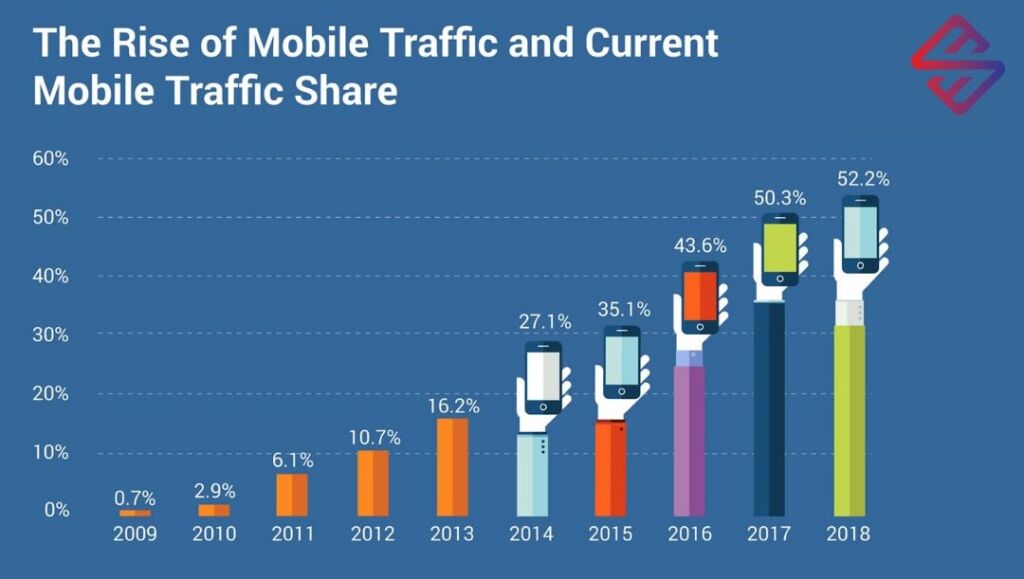
Statistics reveal that over 60% of global website traffic comes from mobile devices. If your website isn’t mobile-friendly, users are more likely to leave, increasing your bounce rate and reducing conversions.
Key Strategies to Optimize for Mobile Users
1. Use a Responsive Web Design
A responsive design ensures your website adapts to different screen sizes without compromising usability. It allows content, images, and navigation to adjust seamlessly, providing a smooth experience on any device. Google recommends responsive design because it eliminates duplicate content issues and improves SEO.
2. Optimize Page Speed for Faster Loading
Mobile users expect fast-loading websites. If your pages take more than a few seconds to load, visitors will leave. Here’s how to boost your page speed:
- Compress images and use next-gen formats like WebP.
- Enable browser caching to store static files.
- Minify CSS, JavaScript, and HTML to reduce unnecessary code.
- Use a Content Delivery Network (CDN) to serve files quickly across different regions.
- Optimize server response time.
3. Mobile-Friendly Content Formatting
Reading on mobile is different from desktop. Mobile-friendly content should be:
- Short and concise.
- Broken into small paragraphs for easy readability.
- Using bullet points and headers.
- Featuring engaging visuals to keep users hooked.
4. Implement AMP (Accelerated Mobile Pages)
AMP is a Google-backed project that enhances mobile page speed by stripping down HTML and JavaScript. For businesses looking to improve their online presence, especially those working with an SEO agency in Mumbai, AMP pages load instantly and improve user experience, contributing to better rankings and engagement.
5. Prioritize Mobile-Friendly Navigation
Complicated navigation can frustrate mobile users. Optimize navigation by:
- Using a hamburger menu for easy access.
- Keeping menus short and to the point.
- Ensuring buttons and links are touch-friendly.
- Using sticky navigation bars for quick access to important sections.
6. Optimize for Voice Search
Voice search is gaining popularity with the rise of digital assistants like Siri and Google Assistant. Optimize for voice search by:
- Using natural, conversational language.
- Targeting long-tail keywords and question-based queries.
- Structuring content with featured snippets.
7. Mobile UX & Accessibility
Providing a seamless mobile experience is critical for conversions. Ensure your site is:
- Free from intrusive pop-ups.
- Accessible to people with disabilities (WCAG compliance).
- Optimized with clickable call-to-action (CTA) buttons.
8. Local SEO for Mobile Users
Many mobile searches are local, so optimizing for local SEO can drive traffic to your business. Here’s how:
- Optimize your Google My Business listing.
- Use local keywords in content.
- Ensure your Name, Address, and Phone Number (NAP) are consistent.
- Get positive reviews from local customers.
9. Implement Structured Data Markup
Schema markup helps search engines understand your content better and can improve search rankings. Rich snippets like star ratings, FAQs, and breadcrumbs enhance visibility in mobile search results.
10. Conduct Mobile Usability Tests
Regularly test your website for mobile usability using tools like:
- Google’s Mobile-Friendly Test
- PageSpeed Insights
- Google Search Console (Mobile Usability Report)
11. Optimize Pop-Ups and Interstitials
Google penalizes websites with intrusive pop-ups on mobile. Instead:
- Use small, non-intrusive banners.
- Ensure pop-ups don’t block main content.
- Implement exit-intent pop-ups instead of immediate ones.
12. Monitor Mobile Analytics
Track your mobile performance using:
- Google Analytics (Mobile Reports)
- Heatmap tools like Hotjar to analyze user behavior
- A/B testing to optimize mobile elements
Conclusion
The mobile-first world demands a Mobile-Optimized SEO strategy that enhances user experience while boosting search rankings. By implementing responsive design, optimizing speed, prioritizing voice search, and improving local SEO, businesses can stay ahead in the game.
If you’re looking for expert help in mobile SEO, The SMM HUB has a team of professionals ready to transform your website into a mobile-friendly powerhouse. Don’t let poor mobile optimization hold your business back—start optimizing today!
If you’re running a business whether it’s a lean startup, a growing D2C brand, or a well-established company—you’ve probably asked yourself this: Should I focus on SEO or social media marketing (SMM)? It’s a valid question, especially when every digital marketing agency in Mumbai seems to offer both. The right choice can boost your visibility, drive traffic, and ultimately bring in better leads or sales. But picking between the two isn’t always straightforward. Both strategies are essential but serve distinct purposes, and knowing which one to prioritize—or how to blend both—can maximize your ROI.
What is SEO?
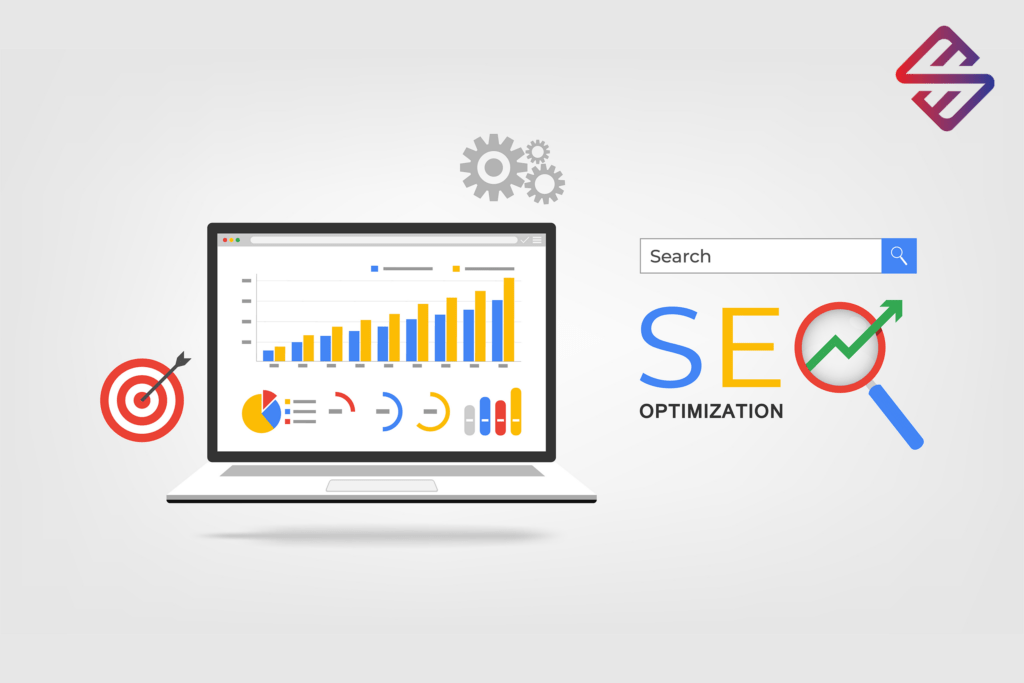
SEO, or Search Engine Optimization, is optimizing your website and content to rank higher in organic search results on engines like Google or Bing. Working with a trusted SEO agency in Mumbai ensures your site is fine-tuned across on-page, off-page, and technical SEO elements to attract visitors actively searching for your products or services.
The core components include:
- On-page SEO – Optimizing content, keywords, meta tags, and URLs.
- Off-page SEO – Building backlinks and brand mentions.
- Technical SEO – Site speed, mobile optimization, and structured data.
Example: A yoga studio in Delhi works with an SEO agency in Mumbai to optimize for “best yoga classes in South Delhi,” improving rankings and driving steady organic traffic.
What is SMM?
Social Media Marketing (SMM) uses platforms like Instagram, Facebook, LinkedIn, and X to promote your brand and engage your audience. Partnering with a professional social media marketing agency can help you create organic content, manage paid ads, run influencer campaigns, and build a loyal community around your brand.
SMM tactics include:
- Organic posts (reels, stories, carousels)
- Paid advertising (boosted posts, Meta Ads)
- Influencer collaborations
- Community engagement
Example: A bakery in Mumbai hires a social media marketing agency to run targeted Instagram ads and share engaging reels, resulting in sold-out weekend stock within days.
Why SEO Matters
- Builds trust & credibility through organic rankings
- Attracts high-intent traffic actively searching for solutions
- Delivers cost-effective, long-term ROI
- Establishes authority and thought leadership
Why SMM Matters
- Delivers fast reach and viral potential
- Hyper-targeted audience segmentation by demographics and interests
- Showcases your brand personality in real-time
Fosters customer engagement and community growth
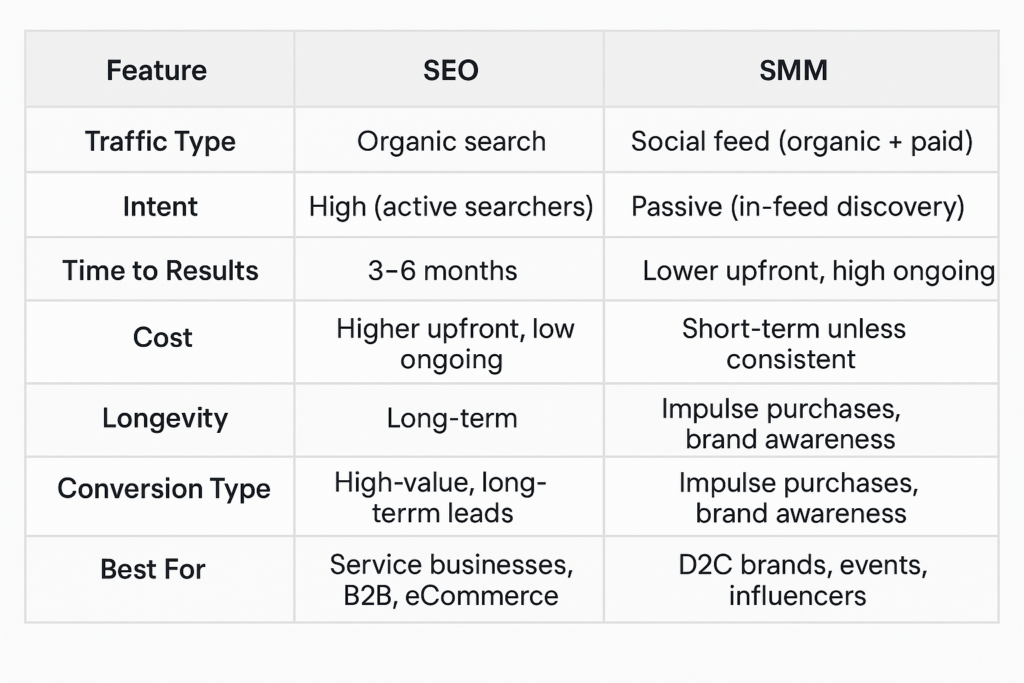
SEO vs SMM: Detailed Comparison
Which is Right for Your Business?
✅ Choose SEO if:
- You operate in a high-intent sector (finance, health, legal, education)
- Your product/service has a long buying cycle (real estate, B2B SaaS)
- You want sustainable, long-term growth without paid ads
- You aim to become a thought leader in your industry
✅ Choose SMM if:
- You’re in a lifestyle or visual business (fashion, food, beauty)
- You frequently launch promotions or offers
- You want to build an engaged community
- Your sales rely heavily on storytelling and brand personality
Industry Use-Cases
1. E-Commerce Brand
SEO ranks for keywords like “best cotton kurtis under ₹999,” while SMM drives quick sales with influencer reels.
2. Consulting Firm
SEO attracts clients searching for “business consultants in India,” and SMM strengthens its authority via LinkedIn posts.
3. Local Restaurant
SMM’s geo-targeted Instagram ads boost footfall quickly, while SEO helps rank for “Italian restaurant in Andheri.”
Best of Both Worlds: Why a Hybrid Approach Works
You don’t have to pick one. Combining SEO and SMM delivers stronger results:
- Use SMM to create buzz around new blog posts or products.
- Use SEO to keep content ranking and pull organic traffic long-term.
- Repurpose SEO content as social posts or carousels.
- Drive traffic from social channels to your SEO-optimized website for better conversions.
“SEO pulls, SMM pushes. Together, they multiply your visibility.”
Final Verdict: Tailor Strategy to Your Goals
- Want long-term authority and steady leads? → Prioritize SEO.
- Need immediate attention and buzz? → Invest in SMM.
- Want to build a lasting brand? → Combine both.
At SMM Hub, our digital marketing agency in Mumbai specializes in creating strategies that maximize SEO and SMM together — helping you rank on Google while staying viral on social.
👉 Ready to grow brighter, not just louder? Contact SMM Hub today for a free strategy call.
FAQs
Q: Is SEO better than SMM for small businesses?
A: Not always. SEO is ideal for long-term traffic growth, but SMM delivers quicker sales and engagement. Starting with both can help you identify what works best for your budget.
Q: Can I manage SEO and SMM myself?
A: You can start DIY with basic SEO and social posts. However, partnering with a professional SEO agency in Mumbai or a social media marketing agency usually yields better results, especially in competitive markets.
Q: How much should I budget for SEO vs SMM?
A: SEO might require ₹15K–₹50K/month for quality content and optimization, while SMM ad spend can start as low as ₹2K/month but requires ongoing investment.
Q: How long does it take to see results from SEO and SMM?
A: SEO results typically appear after 3–6 months, while SMM can generate engagement and sales within days.
Q: Can SEO and SMM strategies overlap?
A: Yes! Using SMM to promote SEO content and driving social traffic to your optimized website creates synergy and multiplies your reach.
Q: What types of businesses benefit most from SEO?
A: Service-based businesses, B2B firms, and eCommerce brands with longer sales cycles benefit greatly from SEO.
Q: What types of businesses benefit most from SMM?
A: Lifestyle, fashion, food, and influencer-driven brands thrive with SMM due to their visual and engagement-based nature.
In today’s fast-paced digital world, your website’s visibility can make or break your business. Search Engine Optimisation (SEO) is the backbone of digital marketing, and the tools you use can define your success. At The SMM Hub, we’ve worked with businesses of all sizes to implement the most potent strategies using the correct set of tools. If you’re searching for the Best SEO agency in Mumbai, it’s essential to understand how we use top-tier SEO tools to drive results and optimise your digital presence.
Let’s break down the essential categories of SEO tools and how they support a high-performance website.
Keyword Research Tools: Finding the Right Terms
The first step to ranking higher in search engines is identifying what your potential customers are searching for. Keyword research tools help uncover the terms that matter most to your business.
- Google Keyword Planner: Excellent for discovering relevant keywords and understanding their monthly search volumes. It’s advantageous when you’re starting.
- Ahrefs Keywords Explorer: Delivers rich keyword suggestions, click metrics, and keyword difficulty scores, giving deep insights into content opportunities.
- SEMrush: Allows you to evaluate your keywords and your competitors’ strategies, identifying gaps you can fill.
- Ubersuggest: A beginner-friendly tool that offers keyword ideas, SEO difficulty, and content suggestions based on user intent.
With the help of a Leading SEO agency in Mumbai like ours, you can pick the right keywords tailored to your target audience and goals.
On-Page SEO Tools: Optimising Your Content
When properly optimized and user-friendly, these tools make sure your web pages meet all key SEO standards.
- Yoast SEO: Ideal for WordPress users, it evaluates on-page content for keyword usage, meta descriptions, readability, and more.
- Surfer SEO: Suggests keyword density, heading structures, and relevant terms by analysing top-ranking pages for your target keywords.
- Clearscope: Helps writers by recommending semantically related terms to boost topic relevance and search performance.
- Frase: AI-powered tool that helps structure content, find common questions, and improve long-tail keyword targeting.
These tools streamline the process of making every page rank-worthy, especially when combined with expert SEO services in Mumbai.
Backlink Analysis Tools: Building Quality Links
A strong backlink profile can dramatically impact your rankings. Here’s how we analyse and strengthen yours.
- Ahrefs: Offers complete backlink tracking, showing which sites link to you and how valuable those links are.
- Moz Link Explorer: Provides insights into your domain authority, link equity, and opportunities to build more credible links.
- Majestic: Known for its deep link intelligence, it assesses link trust and citation flow.
- BuzzSumo: Helps identify content that earns a lot of backlinks, letting you reverse-engineer strategies that work.
As a Top SEO company in Mumbai, we build high-quality, natural backlinks that strengthen your authority and visibility.
Technical SEO Tools: Enhancing Website Performance
You can’t afford to ignore the technical side of SEO. These tools help ensure your site is functional, fast, and user-friendly.
- Google Search Console: Provides critical data on crawling, indexing, and any technical issues your site may have.
- Screaming Frog SEO Spider: A powerful website crawler that identifies broken links, duplicate content, and missing tags.
- GTmetrix: Analyses page load speed and gives recommendations on how to improve it.
- PageSpeed Insights: Google’s tool to assess performance on desktop and mobile, highlighting factors like image compression and script minification.
These tools help us, as a trusted SEO agency in Mumbai, maintain a solid foundation for every client’s website.
Rank Tracking Tools: Monitoring Your Progress
It’s important to know where you stand in the rankings. These tools help us track your progress in real-time.
- SEMrush: Tracks daily ranking changes across search engines and helps monitor your competitors’ positions, too.
- AccuRanker: Fast and accurate ranking reports tailored by keyword, country, and device.
- Ahrefs Rank Tracker: Visualises keyword movements and offers historical trends so you can measure long-term improvements.
Whether you’re a startup or an established brand, rank tracking is essential for long-term SEO success.
Analytics Tools: Understanding User Behaviour
Knowing how users interact with your site helps shape more innovative strategies. These tools dig deep into user behaviour.
- Google Analytics: Tracks every click, session, and conversion. It helps pinpoint what’s working and what needs improvement.
- Microsoft Clarity: Offers session replays and heatmaps so you can see how users navigate your site.
- Mixpanel: Tracks specific events and funnel performance to help understand customer journeys in detail.
By analysing behaviour, a Leading SEO agency in Mumbai ensures that every visitor touchpoint adds value.
Competitor Analysis Tools: Staying Ahead of Rivals
To win in SEO, you need to know what your competitors are doing and how to do it better.
- SEMrush: Offers a complete overview of your competitors’ keywords, traffic sources, and backlink profiles.
- SpyFu: Reveals competitors’ paid and organic strategies, including historical performance.
- Ahrefs: Dissects your competitors’ top content, backlinks, and SEO gaps.
This kind of insight helps us deliver competitive advantages to our clients every single day.
Choosing the Right SEO Tools for You
Not every tool is a one-size-fits-all solution. Here’s what to consider:
- Your Website’s Needs: Is technical SEO your weakness? Or is it content that needs boosting? Your priorities determine the right stack.
- Your Budget: Many tools offer free versions, but the real power lies in paid subscriptions.
- Ease of Use: Pick tools that align with your team’s skills or partner with experts who know how to use them effectively.
At The SMM Hub, we customise SEO toolkits based on your business stage, competition level, and growth targets.
Frequently Asked Questions
Q: What is the best keyword tool for beginners?
A: Ubersuggest is excellent for beginners. It’s easy to use and gives insights into volume, difficulty, and content ideas.
Q: Do I need to use both Ahrefs and SEMrush?
A: While they overlap in features, using both gives a broader perspective. If you’re budget-conscious, choose the one that aligns more with your needs.
Q: How often should I check my keyword rankings?
A: Weekly tracking is ideal. It helps spot trends early and lets you adjust your SEO strategy quickly.
Q: How can I check keyword rankings accurately for prescribed results?
A: Manually search the keywords in incognito mode to see real, unbiased rankings. Tools help, but manual checks show what users see.
Conclusion
Mastering SEO tools isn’t about using them all. It’s about using the right ones with strategy, clarity, and consistency.
As an experienced SEO agency, we’ve seen firsthand how even small changes, when backed by innovative tools, can deliver massive growth.
If you’re serious about long-term results, don’t go at it alone. Whether you’re starting or scaling up, collaborating with the Best SEO Company in Mumbai can transform your search presence and lead you toward sustainable growth.
Ready to simplify your SEO? Let The SMM Hub be your trusted partner in this journey.