
Search Engine Optimization (SEO) is one of the most effective ways to build long-term online visibility, but one question never goes out of style: How long does SEO take?
If you’re expecting your website to reach the first page of Google overnight, you might be disappointed. SEO isn’t about quick wins; it’s about creating lasting growth that continues to bring traffic, leads, and customers over time.
At tsh.media, we’ve worked with businesses across different industries and have seen one common pattern: the websites that invest in professional SEO services consistently are the ones that enjoy sustainable success. Our SEO Services help businesses improve search visibility, attract qualified traffic, and achieve long-term organic growth. In this guide, we’ll walk you through a realistic SEO timeline for 2026, explain what influences results, and help you understand what to expect at every stage.
Why SEO Takes Time?
Search engines don’t rank websites based on a single factor. They evaluate hundreds of signals before deciding where your website should appear in search results.
SEO involves improving your website, creating helpful content, building authority, and earning trust from both search engines and users. Since these improvements happen gradually, rankings also improve over time.
A Realistic SEO Timeline for 2026
While every business is different, here’s what most websites can realistically expect.
Month 1: Research and Website Optimization
The first month focuses on building a strong foundation.
Typical activities include:
- SEO audit
- Keyword research
- Competitor analysis
- Fixing website errors
- Improving page speed
- Optimizing titles and meta descriptions
- Setting up tracking tools
Expected Results:
Very little change in rankings, but your website becomes healthier and ready for growth.
Months 2-3: Content Creation Begins
Once the foundation is ready, it’s time to publish useful, informative content that answers what your audience is searching for.
This may include:
- Blog articles
- Service page improvements
- FAQs
- Location pages
- Internal linking
Search engines begin crawling the new content and understanding your website better.
Expected Results:
Some keywords may start ranking between Pages 2 and 5. Organic traffic usually starts increasing slowly.
Months 4-6: Rankings Start Improving
This is where many businesses begin seeing noticeable progress.
During this phase:
- Existing content is updated
- New content is published consistently
- High-quality backlinks are earned
- User experience improves
- Keyword rankings become more stable
Expected Results:
You may notice:
- More organic traffic
- Better keyword positions
- Increased enquiries and leads
- Improved website authority
Months 6-12: Consistent Growth
If SEO efforts continue, the website starts building momentum.
Benefits often include:
- Higher rankings for competitive keywords
- Stronger domain authority
- More qualified website visitors
- Better conversion rates
- Increased brand visibility
At this stage, SEO becomes an asset that keeps generating results month after month.
Factors That Affect SEO Results
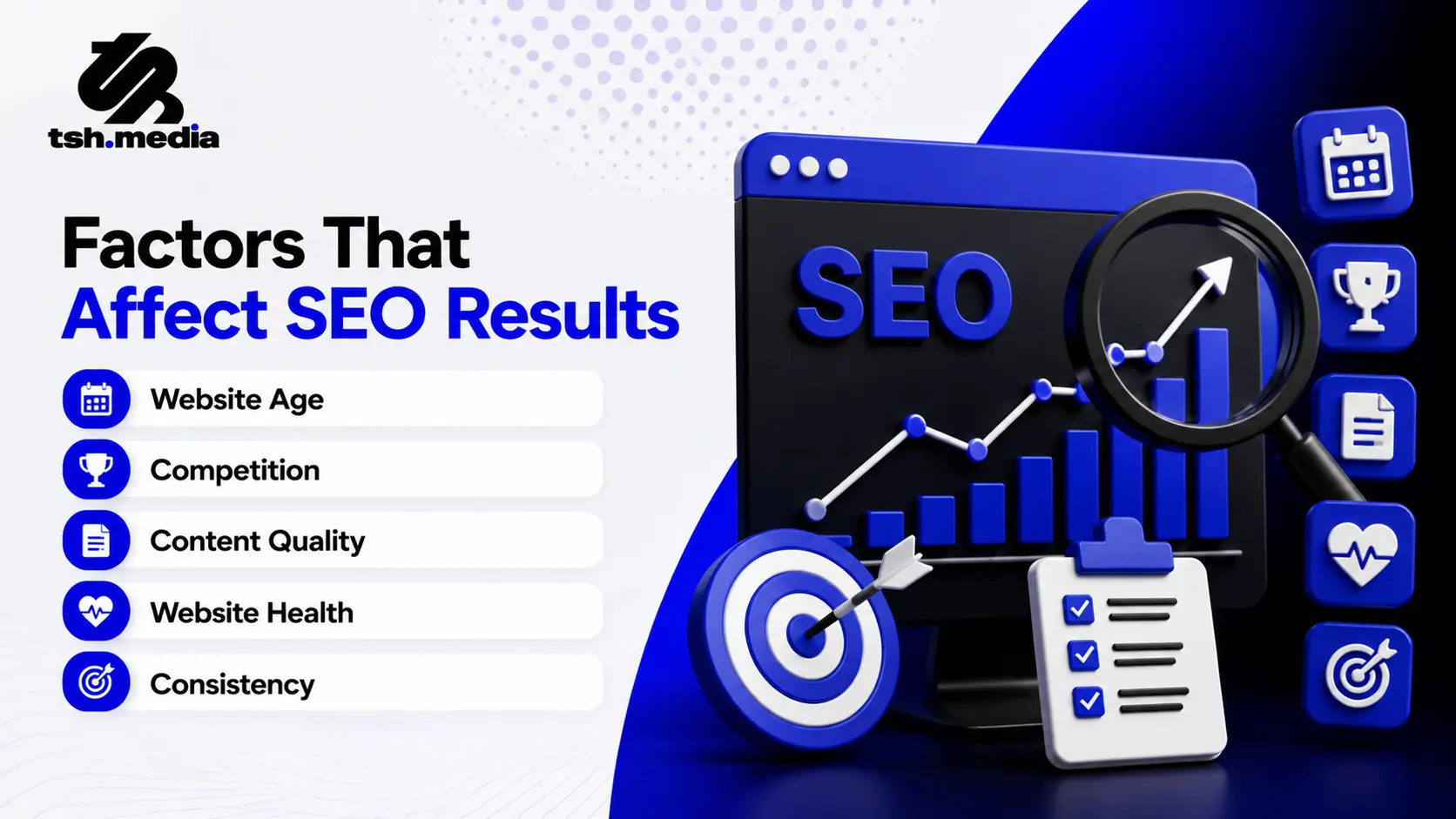
Every business has a different SEO journey. Here are the biggest factors that influence how quickly you see results.
-
Website Age:
Established websites with a good reputation often gain traction faster than brand-new websites. -
Competition:
Highly competitive industries usually require more time and consistent effort than niche markets. -
Content Quality:
Helpful, original, and user-focused content performs much better than pages created only for search engines. -
Website Health:
A fast, mobile-friendly website with a smooth user experience gives visitors and search engines a better experience. -
Consistency:
SEO rewards businesses that regularly publish fresh content, update existing pages, and improve their websites over time.
Common SEO Mistakes That Slow Results
Many businesses unknowingly delay their SEO success by making avoidable mistakes.
Some common examples include:
- Expecting first-page rankings within a few weeks
- Publishing low-quality or duplicate content
- Ignoring technical SEO issues
- Not updating older content
- Using too many keywords unnaturally
- Neglecting internal linking
- Stopping SEO after seeing initial improvements
Avoiding these mistakes helps create sustainable growth instead of short-term gains.
What Does Successful SEO Look Like in 2026?
SEO success is no longer measured by rankings alone.
A successful strategy also delivers:
- Consistent organic traffic
- Higher-quality leads
- Better user engagement
- Increased conversions
- Greater brand visibility
- Long-term return on investment
Businesses that focus on providing value to their audience are more likely to achieve lasting SEO success.
Why Long-Term SEO Delivers Better Results
Businesses that stay committed to SEO usually enjoy compounding growth.
Unlike paid advertising, where traffic stops when the budget runs out, SEO continues generating visitors long after the content is published.
The longer you invest in creating valuable content and improving your website, the stronger your online presence becomes.
Conclusion
SEO in 2026 is no longer about chasing quick rankings; it’s about building credibility, earning trust, and consistently providing value to your audience. While most businesses begin noticing improvements within a few months, meaningful and lasting results typically take 6 to 12 months of consistent effort.
At tsh.media, we believe successful SEO is built on strategy, quality content, and continuous optimization, not shortcuts. Whether you’re starting from scratch or looking to improve your existing rankings, our team can create a customized SEO strategy that delivers sustainable growth for your business.
Ready to grow your business with SEO? Contact tsh.media today, and let’s create a strategy that drives more traffic, leads, and long-term success for your website.
Frequently Asked Questions
Most websites start seeing initial SEO improvements within 3 to 6 months, while significant growth typically takes 6 to 12 months. The exact timeline depends on your website’s age, competition, content quality, and the consistency of your SEO efforts.
SEO can improve your website’s technical health and indexing within the first month, but it’s uncommon to achieve major ranking improvements so quickly. Sustainable SEO is a long-term strategy that builds authority over time.
The fastest way to improve SEO is by fixing technical issues, publishing high-quality content, targeting the right keywords, improving page speed, and earning quality backlinks. While these actions help, lasting rankings still require consistent effort.
SEO should be an ongoing process. Regular content updates, technical improvements, keyword optimization, and performance monitoring help maintain rankings and adapt to search engine updates.
SEO and Google Ads serve different purposes. Google Ads provides immediate visibility, while SEO delivers long-term organic traffic and sustainable growth. Many businesses benefit from using both together.